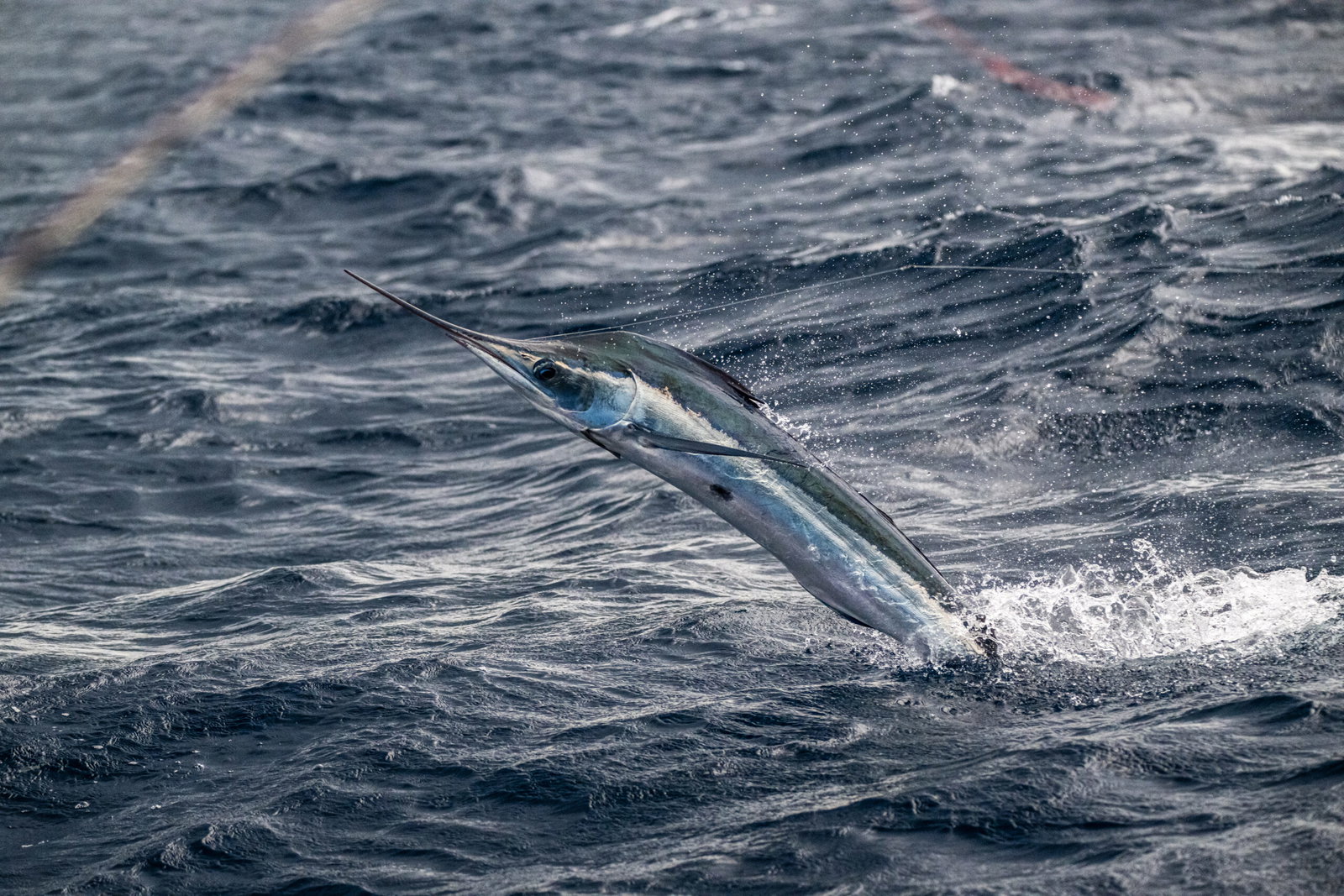
Eight satellite tags deployed—seven on blue marlin and one on a white marlin—mark an important step in Project Gulf’s 2026 field season. Behind each deployment is a network of captains, crews, scientists and partners helping The Billfish Foundation turn time on the water into opportunities for billfish research.
Project Gulf expands TBF’s satellite tagging work in a region that serves as a spawning area, feeding zone and migration corridor for billfish. The initiative brings the sportfishing community into the research process, with participating vessels contributing to science during tournaments and independent fishing days.
What the tags can tell us
Pop-up satellite archival tags collect information on depth, water temperature and light levels after a fish is released. When a tag detaches and reaches the surface, it can transmit summarized data via satellite. Those records help researchers investigate movements and habitat use beyond the brief moment when an angler encounters a fish.
Eight deployments represent an opportunity to learn more about billfish after release. As tag records become available, scientific partners can evaluate what they tell us about how marlin use the Gulf.
A community behind the science
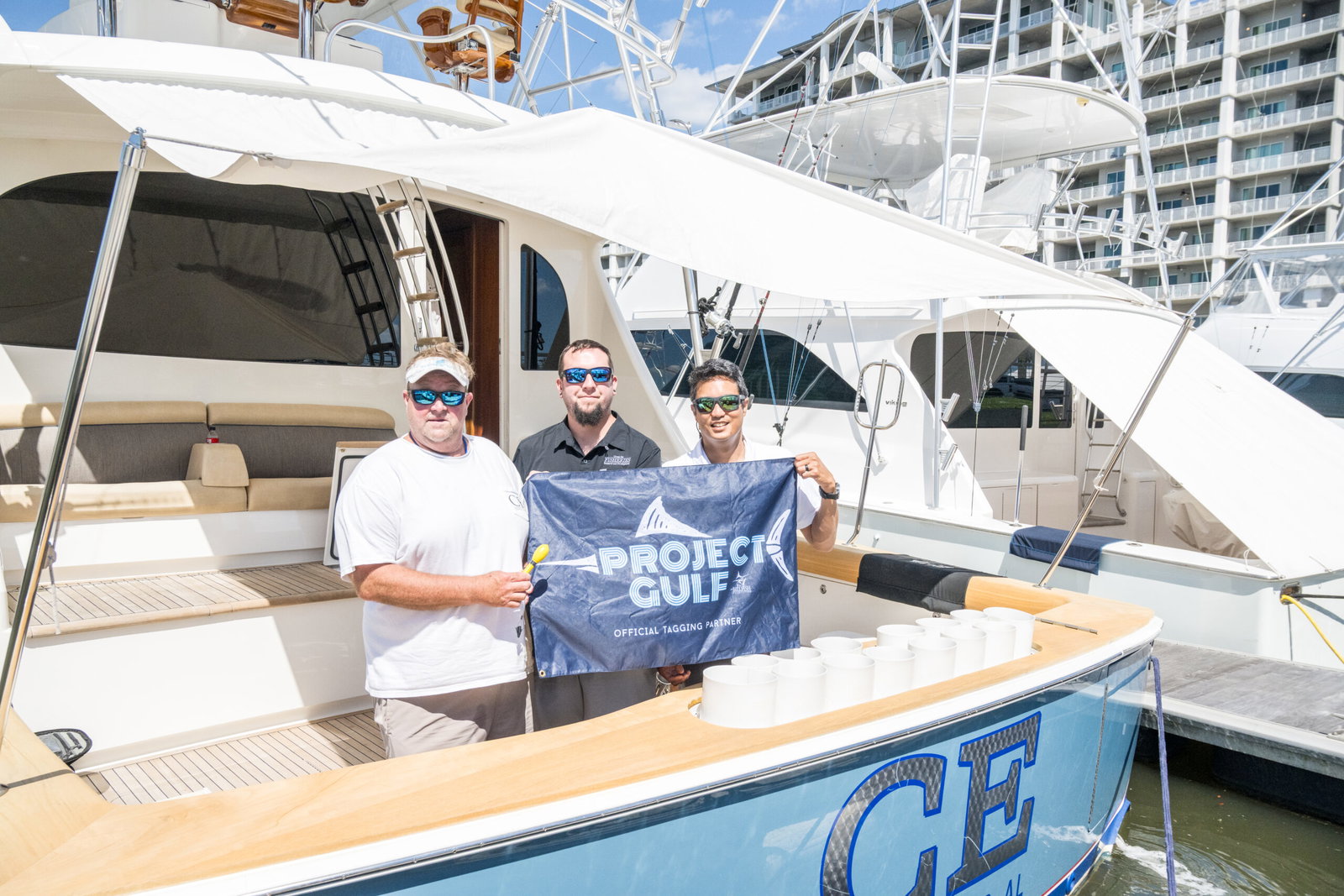
Successful tagging depends on preparation, coordination and careful work by the people aboard each vessel. Project Gulf connects that practical experience with scientific guidance from the University of Southern Mississippi, helping align the fleet around tagging protocols and useful data collection.
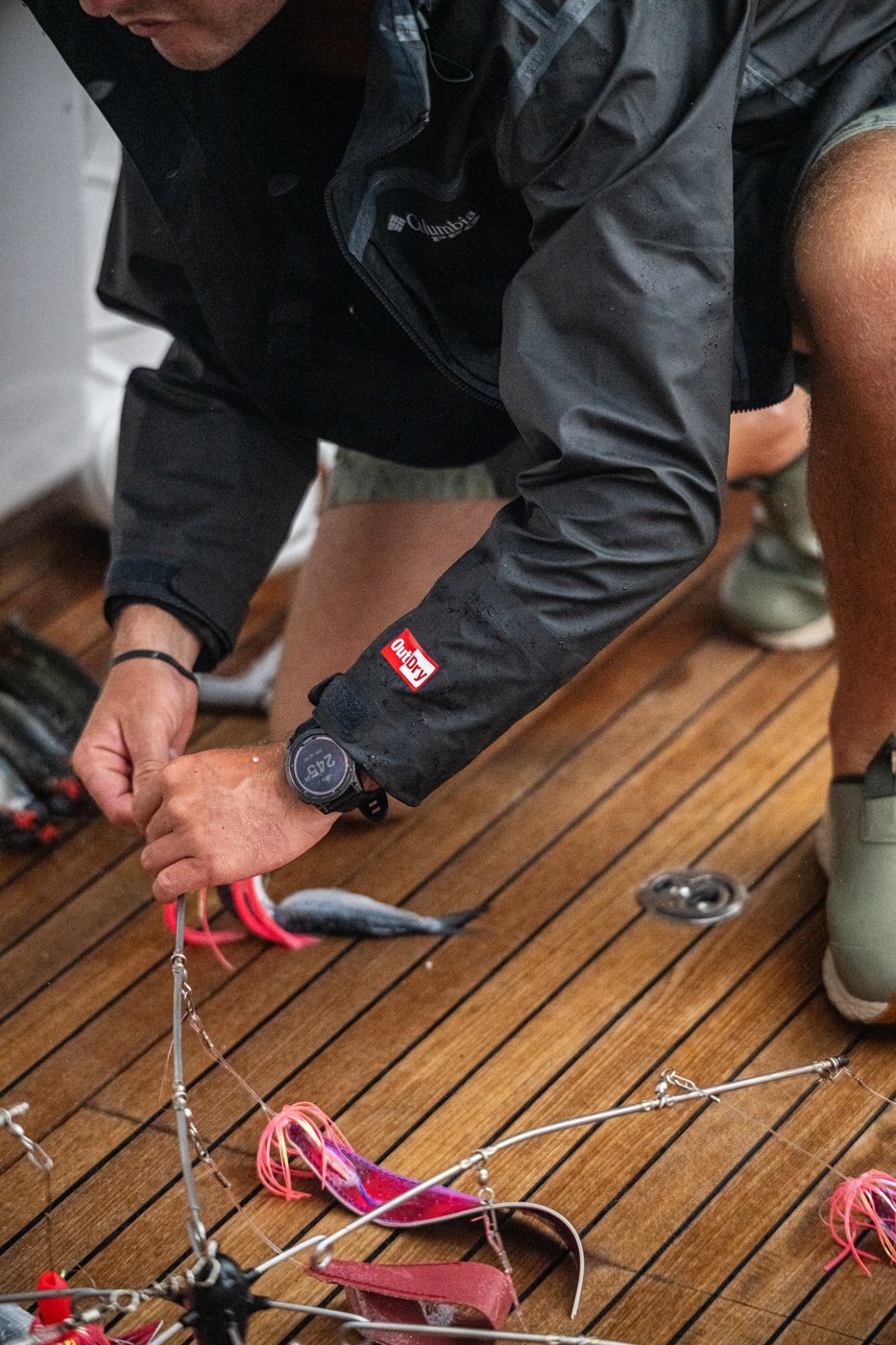
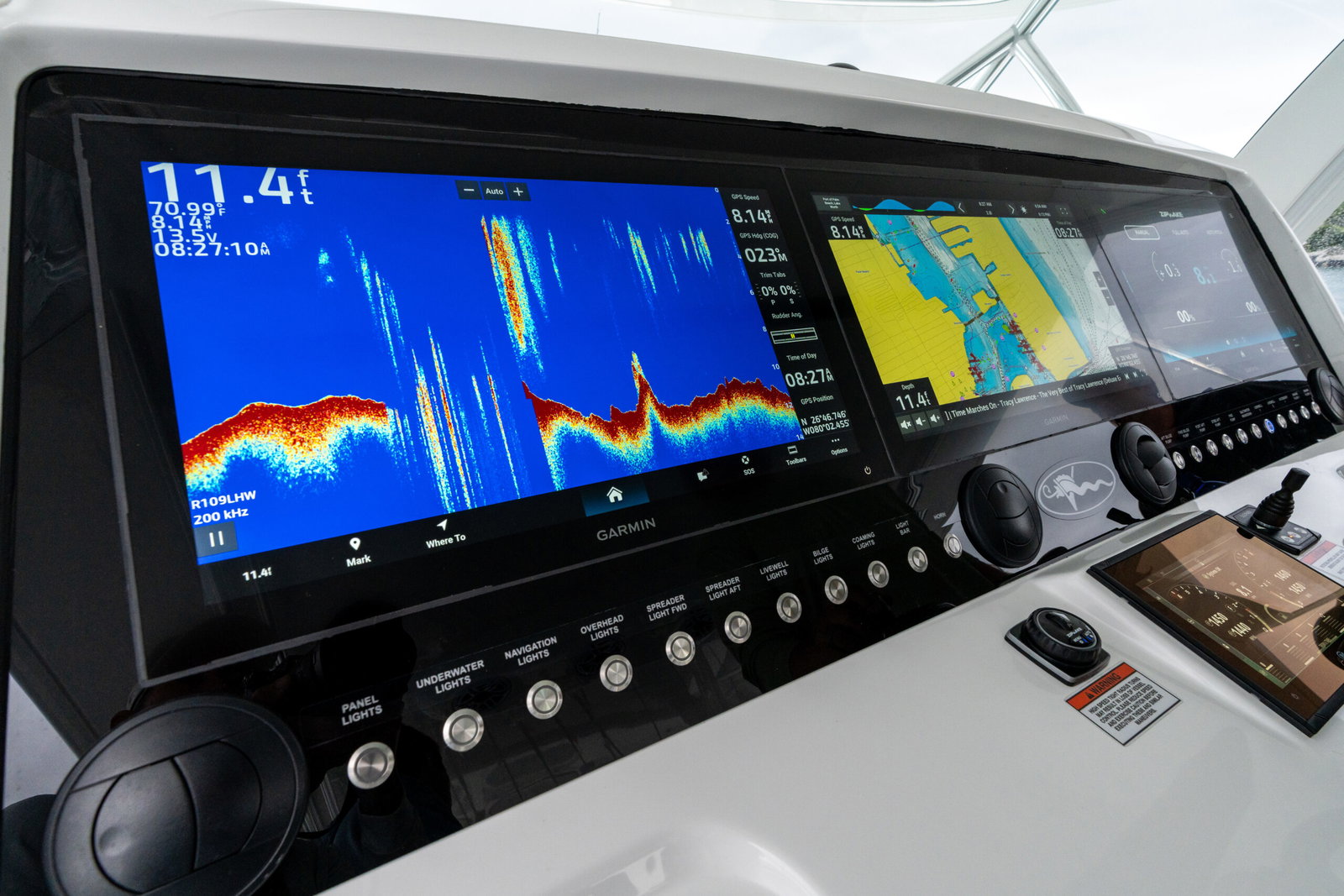
We are grateful to the captains, crews and participating teams who made room for research in their season, and to Columbia PFG and Garmin for supporting Project Gulf. Their partnership helps put resources behind the people doing the work on the water.
Project Gulf is also part of TBF’s 40 for 40 campaign, which celebrates four decades of conservation with a commitment to 40 satellite tags. Each deployment contributes to a wider effort to strengthen billfish science and support informed conservation.
From the 2026 field season
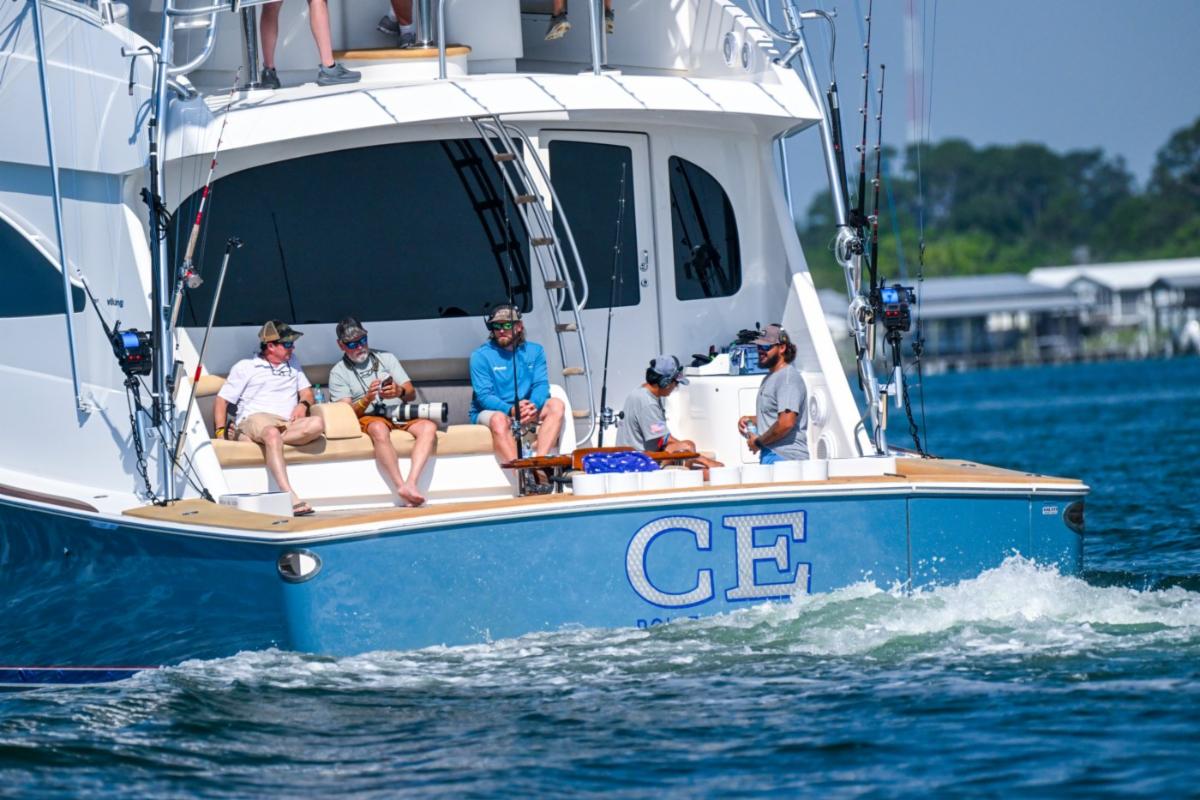
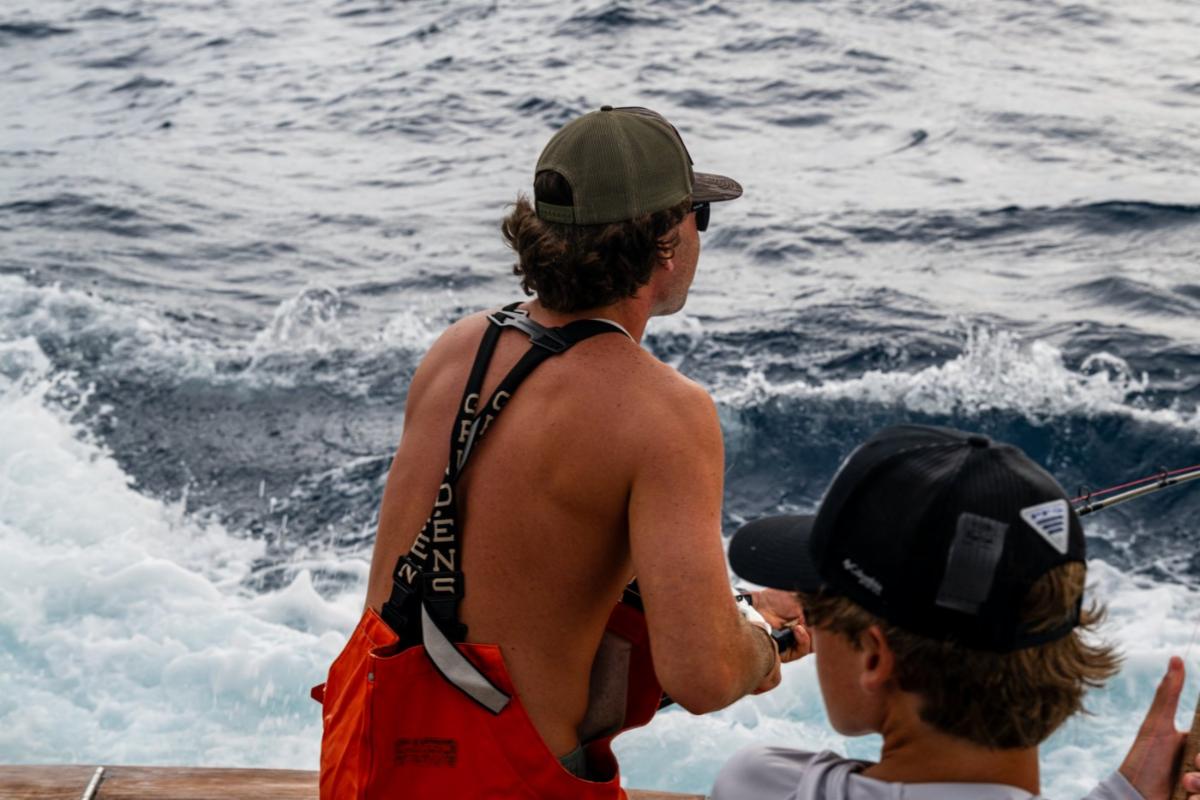
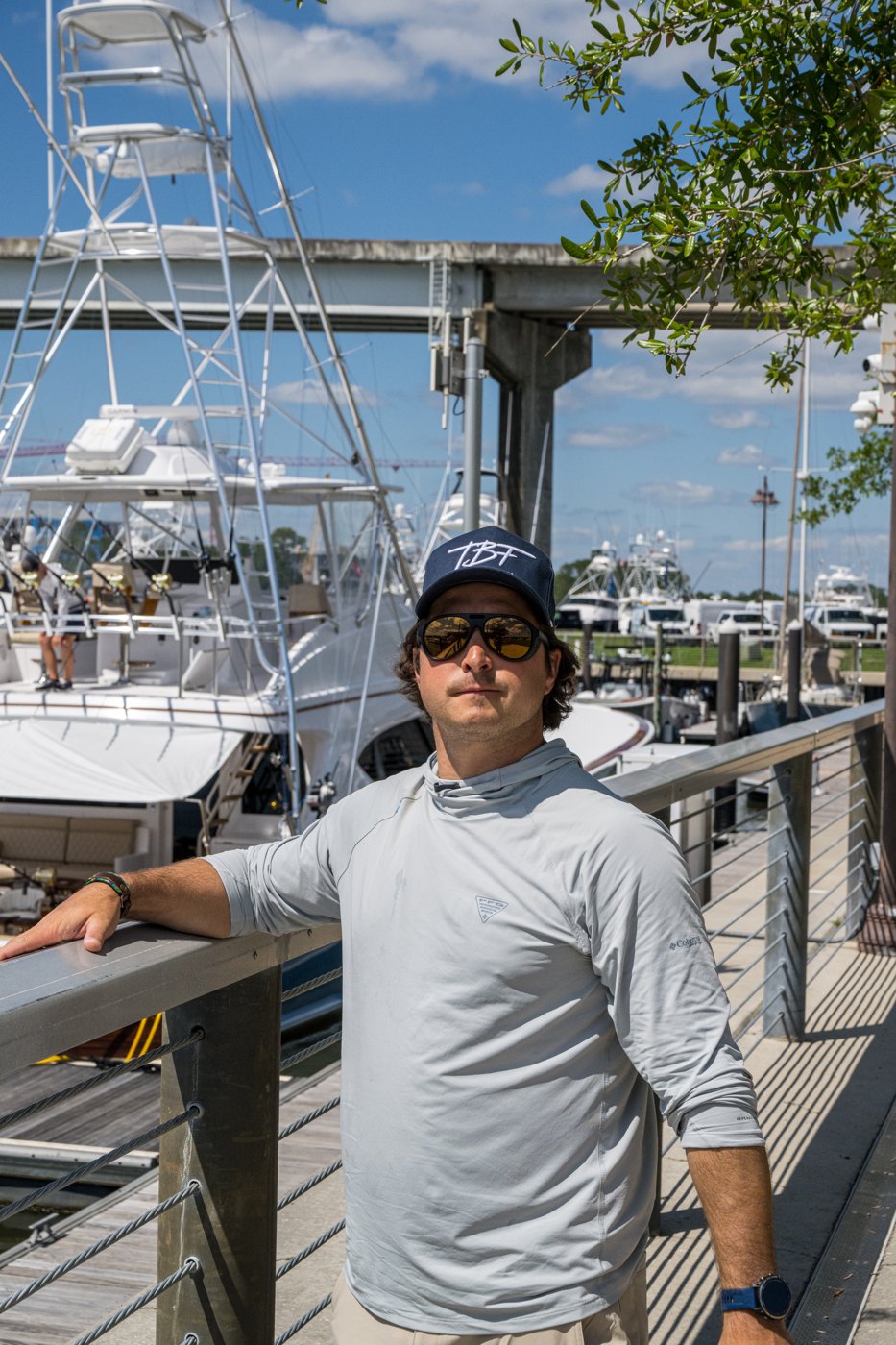
These photographs offer a look at the season beyond the deployment count: billfish on the water, participating crews and the equipment behind the effort. Thank you to Fred Salinas and James Ferrara for documenting the work.