
More than thirty years ago, Ellen Peel found herself sitting across the table from some of the biggest names in sportfishing conservation. Winthrop Rockefeller, Paxson Offield, Mel Immergut, Agie Vicente and others, who gathered to hear her thoughts about how she envisioned the future of The Billfish Foundation (TBF). They got more than they expected.
During the next four hours, the same men heard an enthusiastic case for a more active role by TBF to advance billfish conservation through research and advocacy. At one point, Peel told them, “I don’t think you are ready for me because I am not sure you will take needed advocacy action on behalf of billfish.” It was a bold statement. It was also a glimpse of the determination that would define the next three decades of her career.
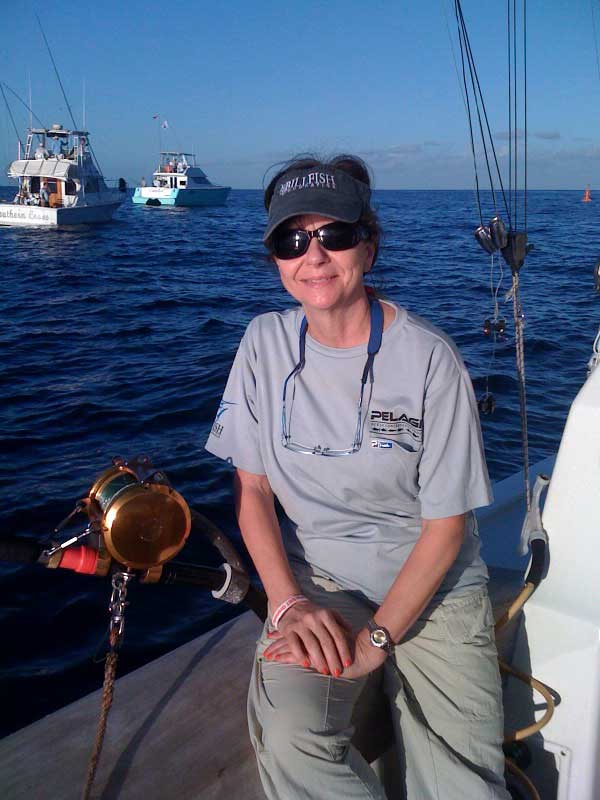
Long before she arrived at TBF, Ellen knew passion alone could not change fisheries policy, rather she would need credentials and expertise to influence government decision makers, treaty organizations, and regulatory bureaucrats. So, she pursued two law degrees that paid dividends throughout her career. Whether appearing before domestic fisheries managers or participating in international negotiations, her legal and policy background prepared her to navigate a world where science, economics, politics, and conservation often intersect. When Ellen arrived at TBF, the organization enjoyed a reputation for its science.
Subsequently TBF’s investment in science greatly expanded to include international science conferences, commissioned development of a non-offset circle hook and lots of satellite tagging research. Ellen recognized science alone could not change fishery management policy; a strong advocacy voice was needed and TBF became that voice. Using science to strengthen advocacy positions made for more persuasive arguments.
Throughout her career, Ellen remained committed to a simple principle: healthy fisheries benefit recreational anglers, commercial fishermen, coastal communities, marine industry, tourism, scientists, and future generations of anglers. Long-term sustainability of marine resources is critical worldwide. TBF channeled this principle through three primary tenets: research, education, and advocacy.
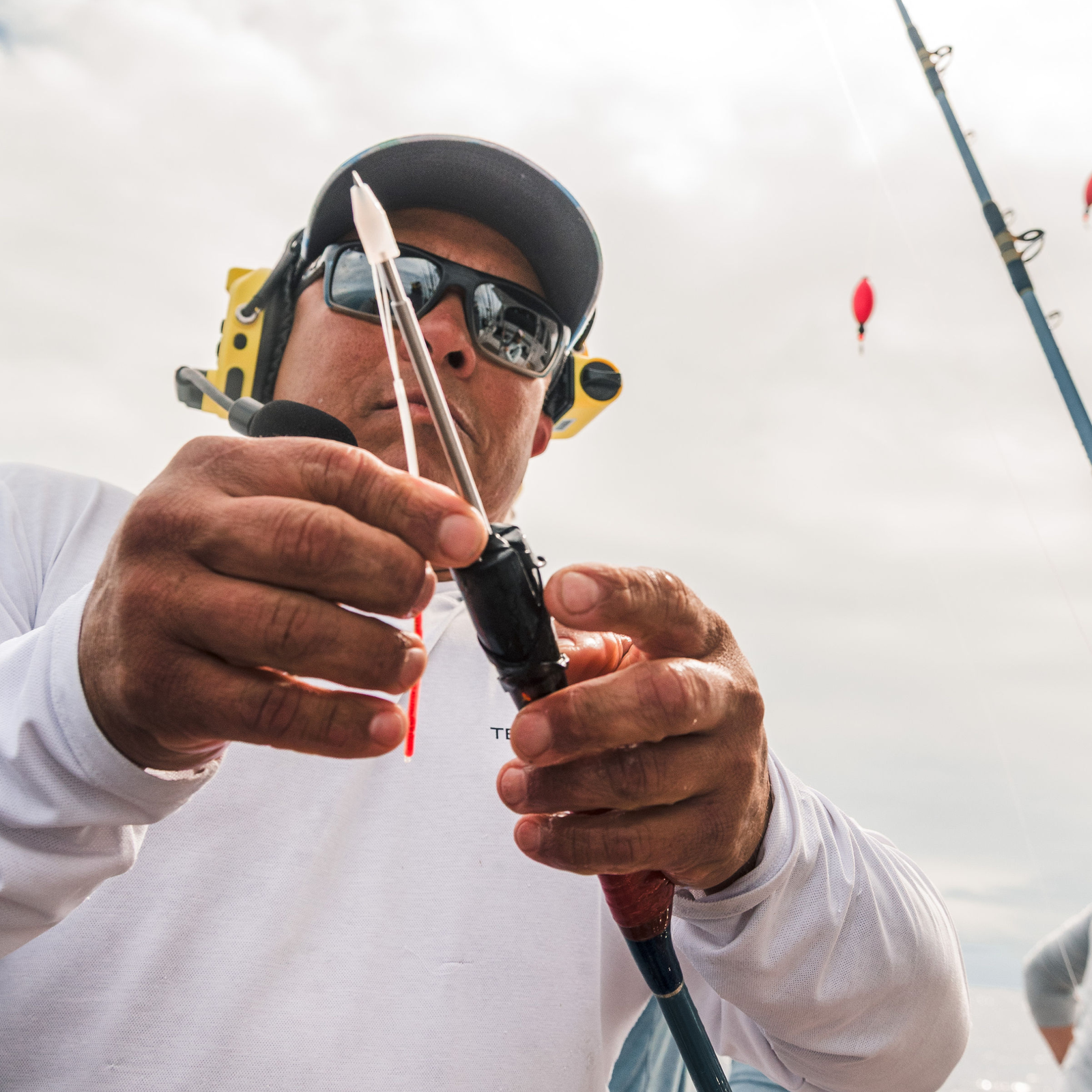
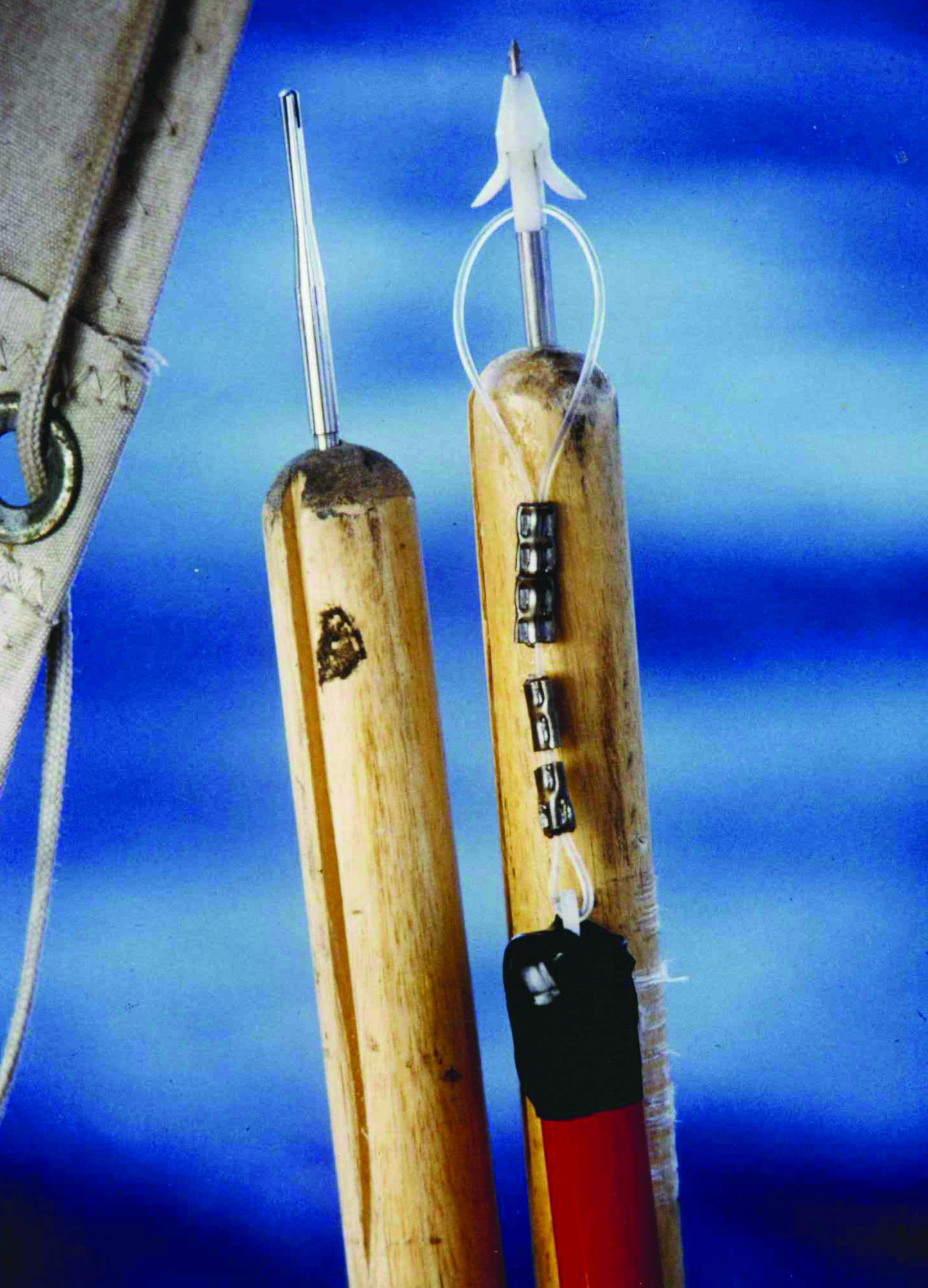
TBF’s research created its own tagging program in 1990 because the government could not meet anglers’ needs for equipment. The angler-based tagging research expanded significantly over decades with an improved tag head to reduce shedding.
Satellite tagging followed and significantly increased the understanding of billfish behavior in the water column. One satellite tagged blue marlin off Pensacola, Florida swam for 27,812 miles during the year the tag remained on the fish. This tag recorded not only horizontal movements but also vertical ones.
Economic research studies documented the enormous value that recreational fishing generated to coastal economies, job creation, tourism trade, and the creation of investment opportunities. TBF commissioned studies took place in the U.S. and in regions of other nations so national leaders could grasp that live billfish are worth more for their eco-tourism trade with anglers than as a commodity for consumption.

Education, especially youth marine education, remains a key element in TBF’s arsenal for advancing responsible billfish conservation and responsible fishing. Win had a strong interest in education and in scouting. TBF’s two youth publications, Spearfish and Sailfish, remain extremely popular with teachers, students, and parents, as TBF distributes 22,000 copies free each year to 150 schools. College students benefit from the Winthrop P. Rockefeller Student Intern Program, and PhD candidates studying billfish science compete for scholarships. Education also came from anglers, who recognized that straight shaft hooks gut hooked billfish, so TBF commissioned the manufacture and free distribution of 150,000 non-offset circle hooks.
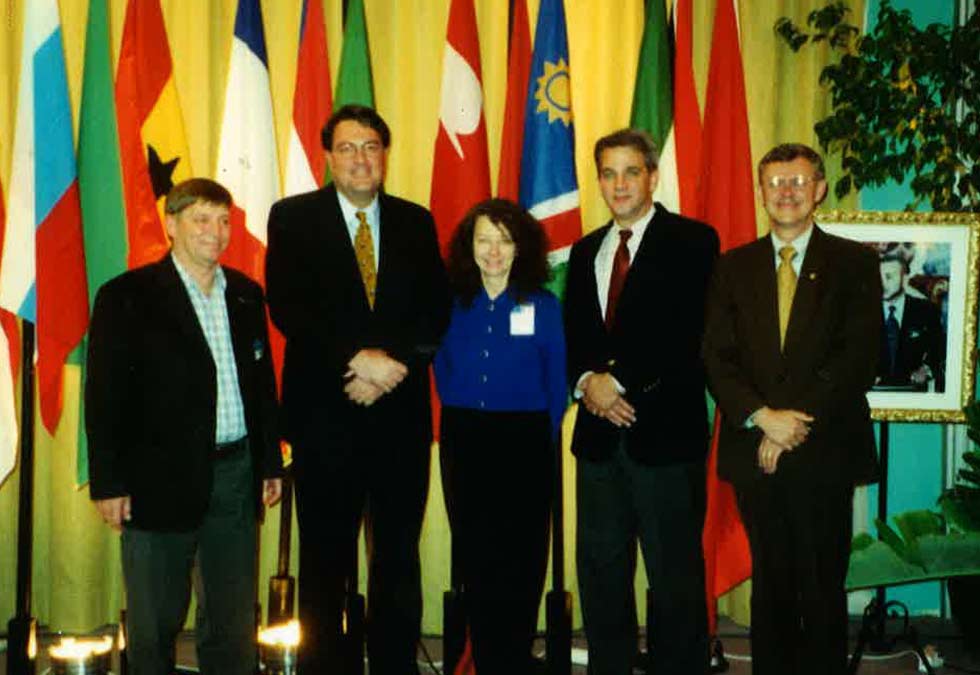
Ellen strengthened billfish advocacy significantly in the US and Internationally. She twice led the effort to defeat an attempt to list white marlin under the Endangered Species Act and secured the first bluefin allocation (incidental) for recreational fishing off the Gulf Coast. While serving under a Presidential Appointment, she secured the first international restraint on Atlantic longline vessels to reduce longline bycatch mortality. Ellen was also instrumental in the development of the first Pacific Billfish Management Plan, and advanced conservation strategies with international decision makers and recreational fishing groups throughout Central America.
When asked whether any current fishery management issues pose threats, she responded quickly: yes, there are two. The first is shark depredation, which the U.S. government created by significantly diminishing (nearly killing) the commercial shark fishery, prohibiting sales of legally caught sharks, and failing to compensate captains whose hooked fish sharks depredated causing economic hardship.
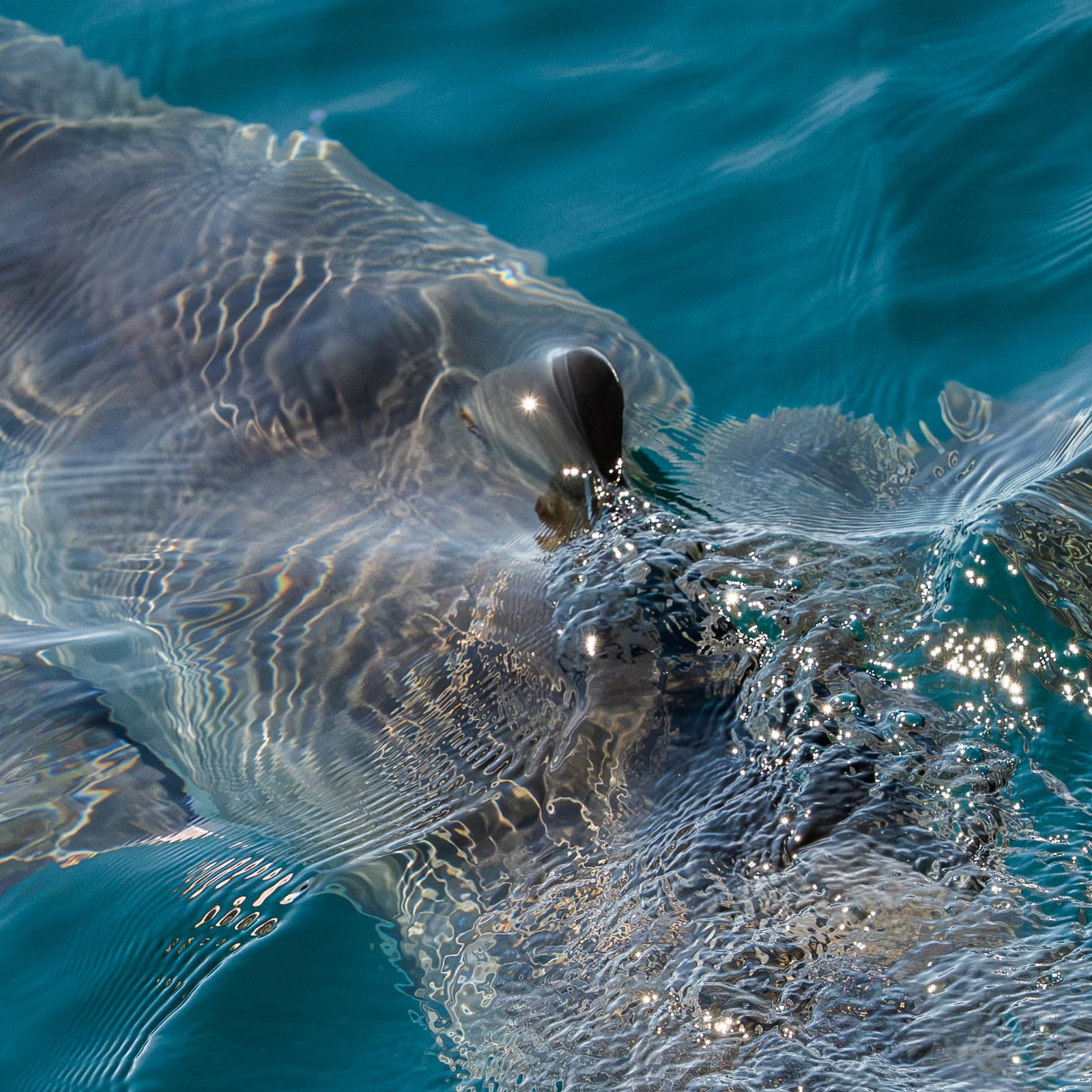
Photo: Rex Messing

The second one is a change in fishery management strategy, as included in Amendment 15 to the HMS Fishery Management Plan, from traditional strategy using landing data and stock assessments to “spatial management.” Spatial management is based on environmental factors, observer data and a PRISM computer model that estimates where catches may be made, with no fishery scientists included. Spatial management is all about ocean “closures.”
What colleagues, scientists, captains, anglers, and fisheries managers around the world often remember most in Ellen is her persistence. She never hesitates to ask tough questions, challenge assumptions, or defend science-based policy recommendations. Ellen is quick to explain that alone she would not have achieved success, for success requires staff, board members, foundation members, sponsors, consultants, volunteers and members of a negotiating team, for whom she is grateful. As she steps away from the daily responsibilities of leading TBF, the challenges facing our oceans remain significant, but Ellen is confident that a younger team will carry forth successfully. She earns a debt of gratitude for all she advanced for billfish conservation, and absolute best wishes for her next chapter.
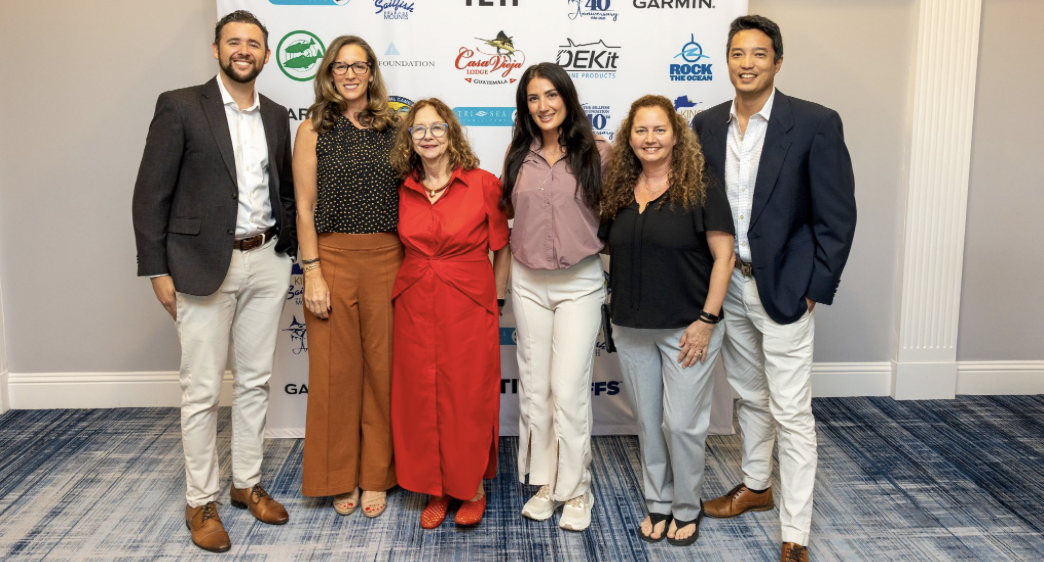
Today, after more than thirty years as President of The Billfish Foundation, Ellen Peel is passing the rod to her successor, Peter Chaibongsai, who is transitioning into the position. In doing so, she leaves behind one of the most significant legacies in the history of billfish conservation.