January 13, 2026

Marlin Fly 2.0

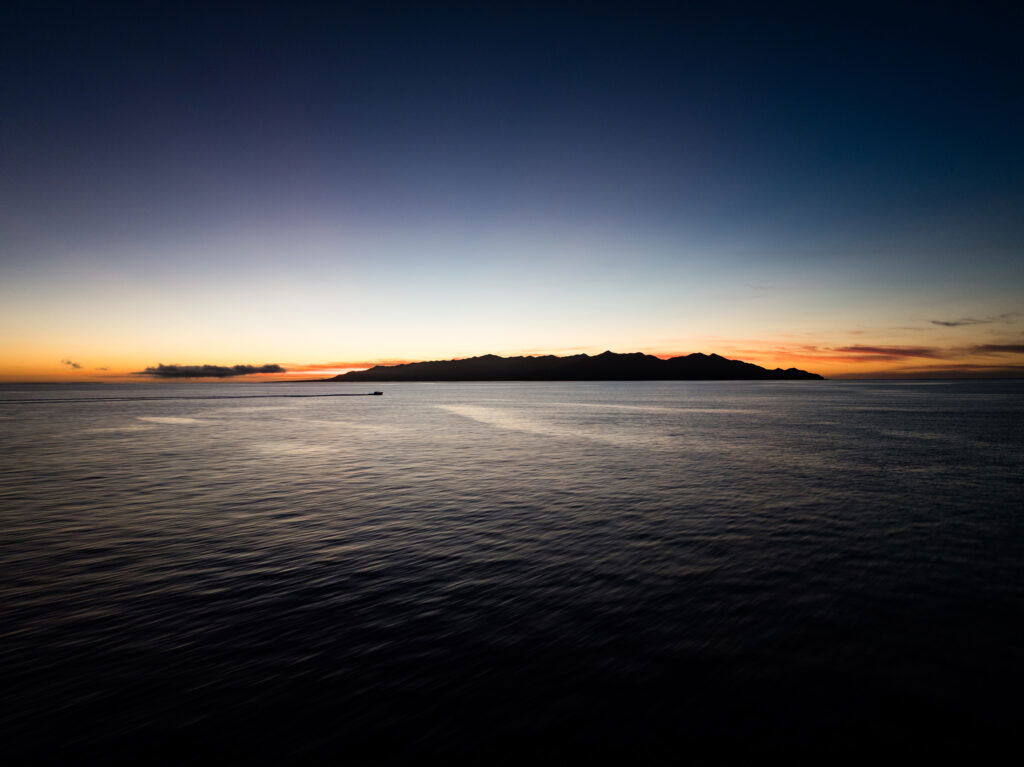
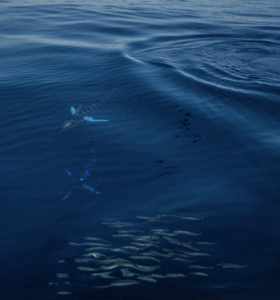
After spending some time in Magdalena Bay this past December, it’s easy to understand why this ecosystem is irreplaceable. As you head offshore, staring into the clearest ocean waters imaginable in every direction, it becomes evident almost immediately that this place might be different. And then the wildlife starts to appear. Fin whales can be seen breaching in the distance while pods of dolphins seamlessly pass by. Vast bait balls start shimmering just below the surface while seabirds casually coast above, and sea lions begin to encircle. You almost forget why you’re out there in the first place as you attempt to soak in this moment. And then you see them. The striking blue lines catch your eyes immediately as dozens of striped marlin begin cutting and cruising just beneath the water’s surface. As each striped marlin slices through the bait ball, it comes off like a dance, with each one seemingly understanding every step. The pure volume of marlin is overwhelmingly to the ocean’s surface, as the water begins to bubble in almost every direction as the hunt continues, appearing as if the water itself is boiling. For a few short months each year, this corner of Baja California Sur highlights the true meaning of wildlife as it transforms into one of the most dynamic and unforgettable locations on the planet.
This past December, The Billfish Foundation (TBF) returned to San Carlos with the Los Locos team to fish in Magdalena Bay, advancing striped marlin research and building momentum for a milestone year in conservation. The team fished alongside Carter Andrews/Raymarine and renowned videographer Perrin James, whose support sponsored several satellite tags deployed as part of TBF’s “40 Tags for 40 Years” anniversary campaign. Over the course of the expedition, four satellite tags were successfully deployed, adding critical data to TBF’s ongoing Marlin Fly Project. As more data is received from these tags, the scientific conclusions they support will become increasingly robust and actionable.

While Magdalena Bay is world-renowned as a premier fishery, scientific research in the region has historically lagged behind its reputation. The Marlin Fly Project was created to bridge this gap through a unique collaboration between anglers, scientists, and the local community. This approach reflects a core TBF tenet: the sportfishing community is not just a user of the resource; it is essential to its conservation and success.

The expedition also served as a ramp-up for TBF’s global initiative to secure 40 satellite tags for our 40th anniversary, a year-long effort designed to expand science-based billfish research across key fisheries worldwide. Each tag strengthens datasets that help further billfish research and inform fisheries managers. For our supporters, the connection is clear: donations become science, and science drives conservation.
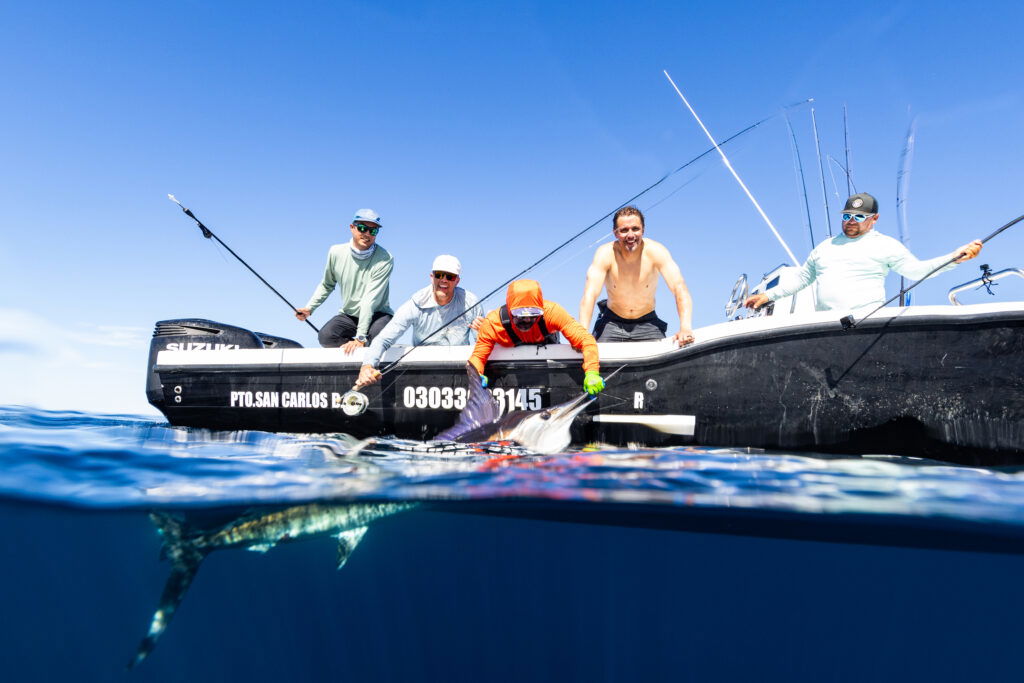
By successfully deploying four satellite tags in Magdalena Bay, the Marlin Fly Project set the tone for what this milestone year represents: meaningful data, strong partnerships, and conservation action driven by anglers who care deeply about the future of the sport. Each tag contributes to a broader, global effort to better understand billfish, their survivability, and habitat use; science that directly supports effective management.

As TBF enters its 40th year, projects like this show how far billfish conservation has come, and how much more can be accomplished when research, recreation, and stewardship move forward together. With momentum building from the December expedition, we look forward to returning to Magdalena Bay in 2026 to continue advancing striped marlin research and deepening our commitment to this extraordinary fishery.

To learn more about TBF’s 40th Anniversary campaign and support any of our projects, click here.
After spending some time in Magdalena Bay this past December, it’s easy to understand why this ecosystem is irreplaceable. As you head offshore, staring into the clearest ocean waters imaginable in every direction, it becomes evident almost immediately that this place might be different. And then the wildlife starts to appear. Fin whales can be seen breaching in the distance while pods of dolphins seamlessly pass by. Vast bait balls start shimmering just below the surface while seabirds casually coast above, and sea lions begin to encircle. You almost forget why you’re out there in the first place as you attempt to soak in this moment. And then you see them. The striking blue lines catch your eyes immediately as dozens of striped marlin begin cutting and cruising just beneath the water’s surface. As each striped marlin slices through the bait ball, it comes off like a dance, with each one seemingly understanding every step. The pure volume of marlin is overwhelmingly to the ocean’s surface, as the water begins to bubble in almost every direction as the hunt continues, appearing as if the water itself is boiling. For a few short months each year, this corner of Baja California Sur highlights the true meaning of wildlife as it transforms into one of the most dynamic and unforgettable locations on the planet.

This past December, The Billfish Foundation (TBF) returned to San Carlos with the Los Locos team to fish in Magdalena Bay, advancing striped marlin research and building momentum for a milestone year in conservation. The team fished alongside Carter Andrews/Raymarine and renowned videographer Perrin James, whose support sponsored several satellite tags deployed as part of TBF’s “40 Tags for 40 Years” anniversary campaign. Over the course of the expedition, four satellite tags were successfully deployed, adding critical data to TBF’s ongoing Marlin Fly Project. As more data is received from these tags, the scientific conclusions they support will become increasingly robust and actionable.

While Magdalena Bay is world-renowned as a premier fishery, scientific research in the region has historically lagged behind its reputation. The Marlin Fly Project was created to bridge this gap through a unique collaboration between anglers, scientists, and the local community. This approach reflects a core TBF tenet: the sportfishing community is not just a user of the resource; it is essential to its conservation and success.

The expedition also served as a ramp-up for TBF’s global initiative to secure 40 satellite tags for our 40th anniversary, a year-long effort designed to expand science-based billfish research across key fisheries worldwide. Each tag strengthens datasets that help further billfish research and inform fisheries managers. For our supporters, the connection is clear: donations become science, and science drives conservation.

By successfully deploying four satellite tags in Magdalena Bay, the Marlin Fly Project set the tone for what this milestone year represents: meaningful data, strong partnerships, and conservation action driven by anglers who care deeply about the future of the sport. Each tag contributes to a broader, global effort to better understand billfish, their survivability, and habitat use; science that directly supports effective management.

As TBF enters its 40th year, projects like this show how far billfish conservation has come, and how much more can be accomplished when research, recreation, and stewardship move forward together. With momentum building from the December expedition, we look forward to returning to Magdalena Bay in 2026 to continue advancing striped marlin research and deepening our commitment to this extraordinary fishery.

To learn more about TBF’s 40th Anniversary campaign and support any of our projects, click here.

Get on Board

Get up to date information on events, news, and research on a constant basis. Submit your email now to join our exclusive newsletter.

Share this Story

Latest News

Shop TBF

TBF Signature Rope Hat
$35.00
TBF Yeti Hotshot Bottle
$30.00
TBF Yeti Slim Can Cooler
$25.00
Billfish Foundation Tags
$24.00

Upcoming Events

Recent News

Exploring the Depths of Conservation: Dive into the latest updates and insights from The Billfish Foundation. Discover engaging stories and pioneering research in our ongoing commitment to marine preservation.

Interested in Learning More?

TBF provides a voice for billfish conservation and the recreational fishing community globally.
Our success would not be possible without the support of our community. Review the ways you can support our efforts.
TBF fosters strong billfish conservation ethics, helping anglers of all generations understand the importance of the recreational sportfishing industry and billfish

Get on Board

Join our Newsletter

Get up to date information on events, news, and research on a constant basis. Submit your email now to join our exclusive newsletter.

Explore Our Socials

Search TBF